
If a new driveway or concrete project is on your list for this year, now is the time to book it. Late spring is the last comfortable window before Oklahoma heat takes over, and once temperatures push past 90 degrees consistently, concrete installation becomes a significantly more demanding process. That does not mean summer work cannot be done well. It means you need a contractor who knows what changes and why. This guide covers exactly that.
Why Oklahoma Heat Is Hard on Fresh Concrete
In a few weeks, Tulsa will be deep in triple-digit heat indexes and baking asphalt. Concrete does not dry. It cures, which is a chemical reaction between water and cement. That reaction needs moisture and time. When air temperatures push above 90 degrees, the water in the mix evaporates faster than the concrete can hydrate properly. The result is a surface that looks finished but is actually weak underneath.
In Tulsa, this problem is compounded by two things. First, the humidity can make conditions feel cooler than they are while the concrete is actually losing moisture rapidly. Second, Oklahoma’s clay soil retains and radiates heat, which means the ground itself is working against the curing process even in shaded areas.
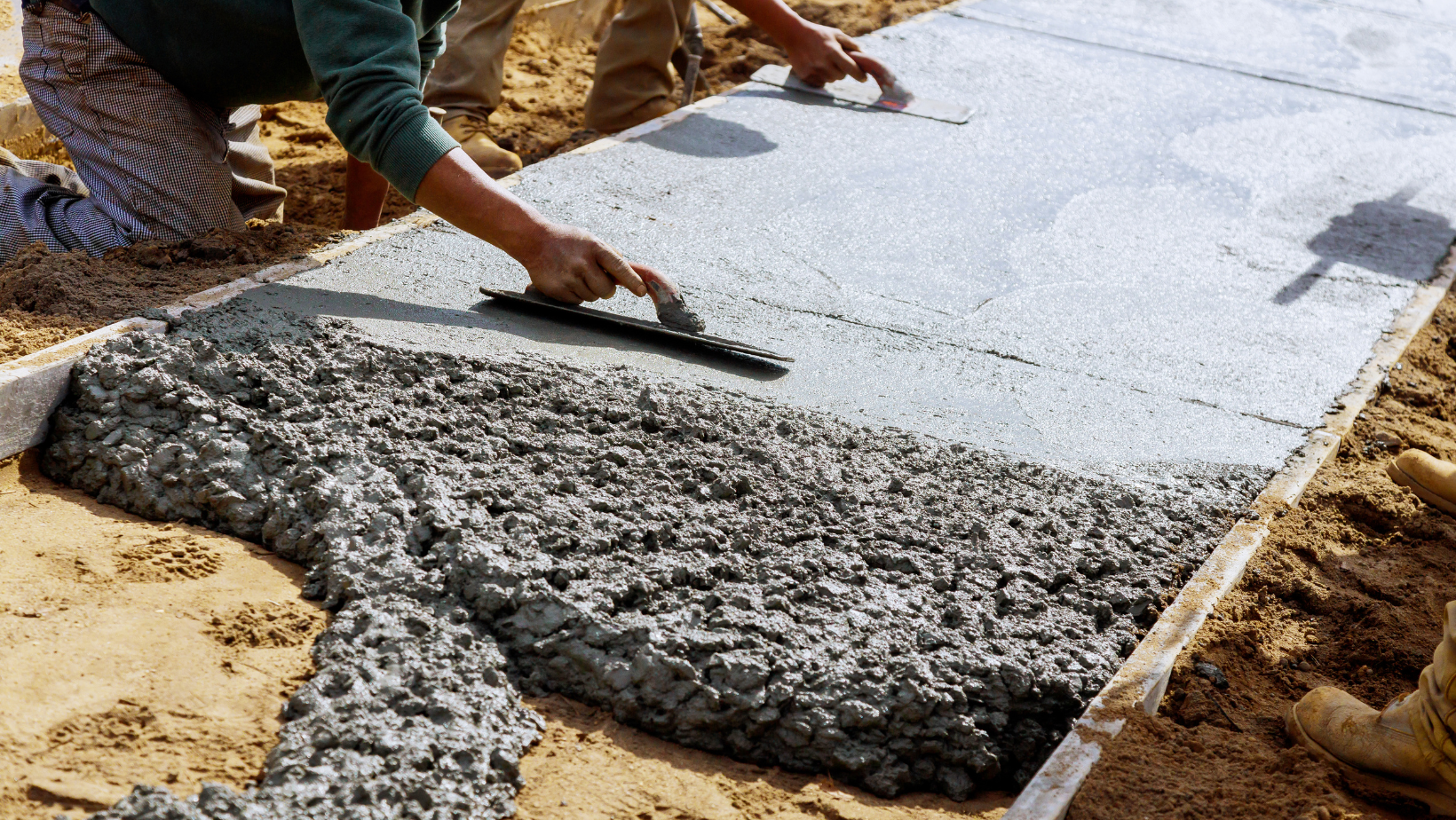
Hot weather also accelerates set time, which shortens the window contractors have to place, screed, and finish the slab. A mix that gives 90 minutes of working time in spring might give 45 minutes on a July afternoon. Rushing the finish to beat the set creates surface defects and weakens the top layer.
What a Professional Contractor Does Differently in Summer
Summer concrete installation is not just regular installation done faster. The mix, the timing, the curing approach, and the crew coordination all change. Here is what that looks like in practice.
Early Morning Pours
Most experienced Tulsa contractors schedule pours to begin at first light, often 5:30 to 6:30 in the morning. The goal is to get the concrete placed, finished, and into the early curing phase before the day’s heat peaks. A slab poured at 6 AM in July will be in far better shape than the same slab poured at noon.
Adjusted Mix Specifications
The concrete mix itself gets modified for summer conditions. This typically includes using chilled water or ice in the batch, reducing the water-cement ratio to compensate for faster evaporation, and sometimes adding set-retarding admixtures to extend the working window. The minimum specification for Tulsa area residential work is 4,000 PSI compressive strength, with 5 to 7 percent air entrainment for freeze-thaw resistance in winter. Summer work does not reduce those requirements.
Subgrade and Form Preparation
Before the truck arrives, a good contractor wets down the subgrade and forms. Hot dry ground will pull moisture out of the concrete from below. Wetting the base the evening before and again the morning of the pour keeps that from happening. The aggregate base, which should be 4 to 6 inches of compacted material, also needs to be at a consistent moisture level for proper support.
Curing and Protection
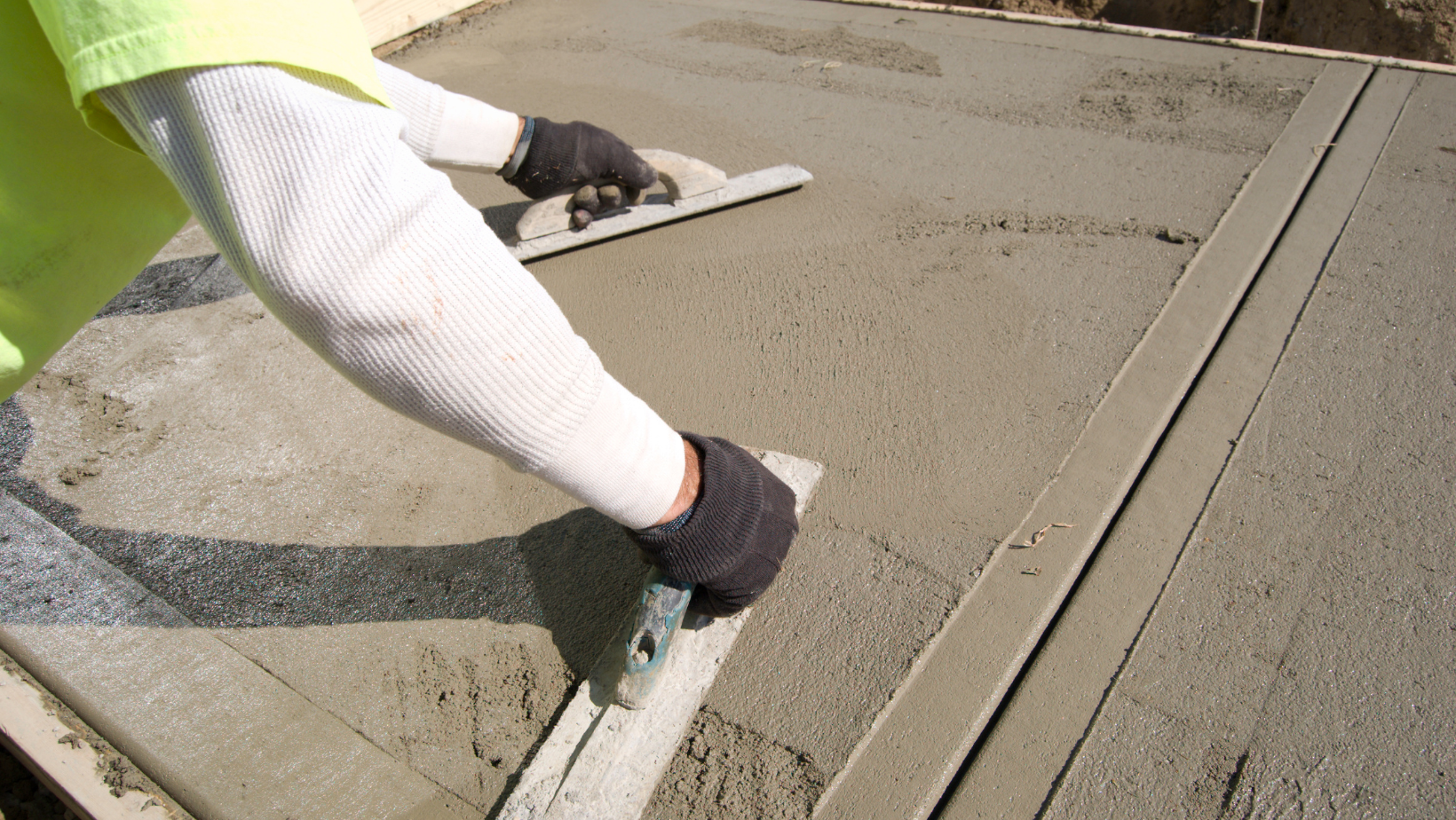
Curing is the most important part of summer concrete work and the part most often skimped on. As soon as the surface is finished, a curing compound is applied to lock in moisture. In extreme heat, contractors may also cover the slab with wet burlap or curing blankets to slow moisture loss further. The concrete needs to stay moist and protected for a minimum of 7 days. Foot traffic before that point risks surface damage. Full strength develops at 28 days.
Oklahoma Clay Soil: The Factor Most Homeowners Do Not Know About
Tulsa sits on expansive clay soil. That means the ground shrinks when dry and swells when wet, sometimes significantly. This movement puts pressure on concrete slabs from below, and it is one of the primary reasons concrete cracks in this region even when the pour itself was done correctly.
Summer is actually the worst season for subgrade stability in Oklahoma because the extended dry periods cause maximum shrinkage. A professional contractor accounts for this by ensuring the base is properly compacted and by placing control joints at calculated intervals to direct any cracking that does occur. The joints do not prevent cracking. They control where it happens so the slab remains functional and the damage is manageable.
How Long Should a Concrete Driveway Last in Oklahoma?
A properly installed and maintained concrete driveway in the Tulsa area should last 30 to 50 years. The variables that affect lifespan most are the quality of the base preparation, whether proper curing was done, and how consistently the surface is sealed after installation.
Sealing should happen 28 to 90 days after the pour, once the concrete has reached full strength. After that, reapply a quality sealer every 2 to 3 years. Avoid salt-based de-icers in winter, which break down the surface. Use a plastic shovel rather than metal for snow removal.
Cracks that appear in the first year are often a sign of inadequate curing or base preparation, not normal settling. Get those evaluated promptly. Small cracks sealed early stay small. Left alone, water enters, freezes, and expands the damage every winter.
Choosing the Right Contractor for Summer Work
Ask any contractor you are considering a direct question: what do you do differently for summer pours? A contractor who understands hot weather concrete will have a clear answer covering pour timing, mix adjustments, and curing methods. A vague response is a red flag.
Beyond that, verify they are licensed and insured to work in Tulsa and surrounding municipalities including Broken Arrow, Owasso, Bixby, and Jenks. Ask for references from similar projects completed in summer. A written estimate with specific material specs, not just a price per square foot, tells you what you are actually buying.
At Tulsa Driveways, we have completed hundreds of concrete projects across Green Country. Our summer schedule fills up fast, and late spring slots go first because homeowners who plan ahead get the best conditions and the most flexibility. If your project has been on your list, now is the time to move on it. Contact us for a free consultation and detailed estimate before the heat arrives.