
Most homeowners only replace a driveway once, maybe twice, in their lifetime. So when the time comes, the whole thing feels like a mystery. How long will it take? Will you be able to get your car out? What happens to the old concrete? What are those guys actually doing out there for two days?
Here is the full process, step by step, so you know exactly what is happening in your own front yard and can spot the difference between a crew doing it right and a crew cutting corners.
Step 1: The Estimate
A proper estimate happens on site, not over the phone. Someone should walk your driveway, measure it, look at the existing damage, check the slope and drainage, and note anything that will affect the work, like tree roots, a tight approach, or soil that stays wet. You should leave that conversation knowing the full scope in writing: square footage, slab thickness, base preparation, reinforcement, finish, tear-out and haul off, and a realistic timeline.
If a contractor quotes your driveway sight unseen, they are guessing, and the guess usually gets corrected later at your expense.
Step 2: Permits and Scheduling
Most new driveway work in the Tulsa area requires a permit, and rules vary a bit between Tulsa, Bixby, Jenks, and Broken Arrow. Your contractor should handle this, including any requirements for the apron where your driveway meets the street. Once permits are in hand, weather sets the schedule. Concrete has opinions about temperature and rain, so a good contractor watches the forecast and will move a pour date rather than pour into a storm.
Step 3: Tear-Out and Haul Off
Demolition day is the loud one. The crew breaks up the old slab, loads the debris, and hauls it away. For a typical residential driveway this usually takes a day. Park on the street the night before, because once tear-out starts, your garage is cut off until the new concrete cures.
Step 4: Base Preparation (The Step That Decides Everything)
This is the part of the project you will never see again, and it matters more than anything else. Tulsa area homes sit on clay soil that swells when wet and shrinks when dry, and concrete poured straight onto that clay will crack as the ground moves. The crew grades the exposed ground, then builds and compacts a gravel base to create a stable, well-draining layer between the soil and your new slab.
If you watch one part of your project closely, watch this one. A crew that rushes grading and compaction is building your driveway’s first crack into it before the truck ever arrives.
Step 5: Forms and Reinforcement
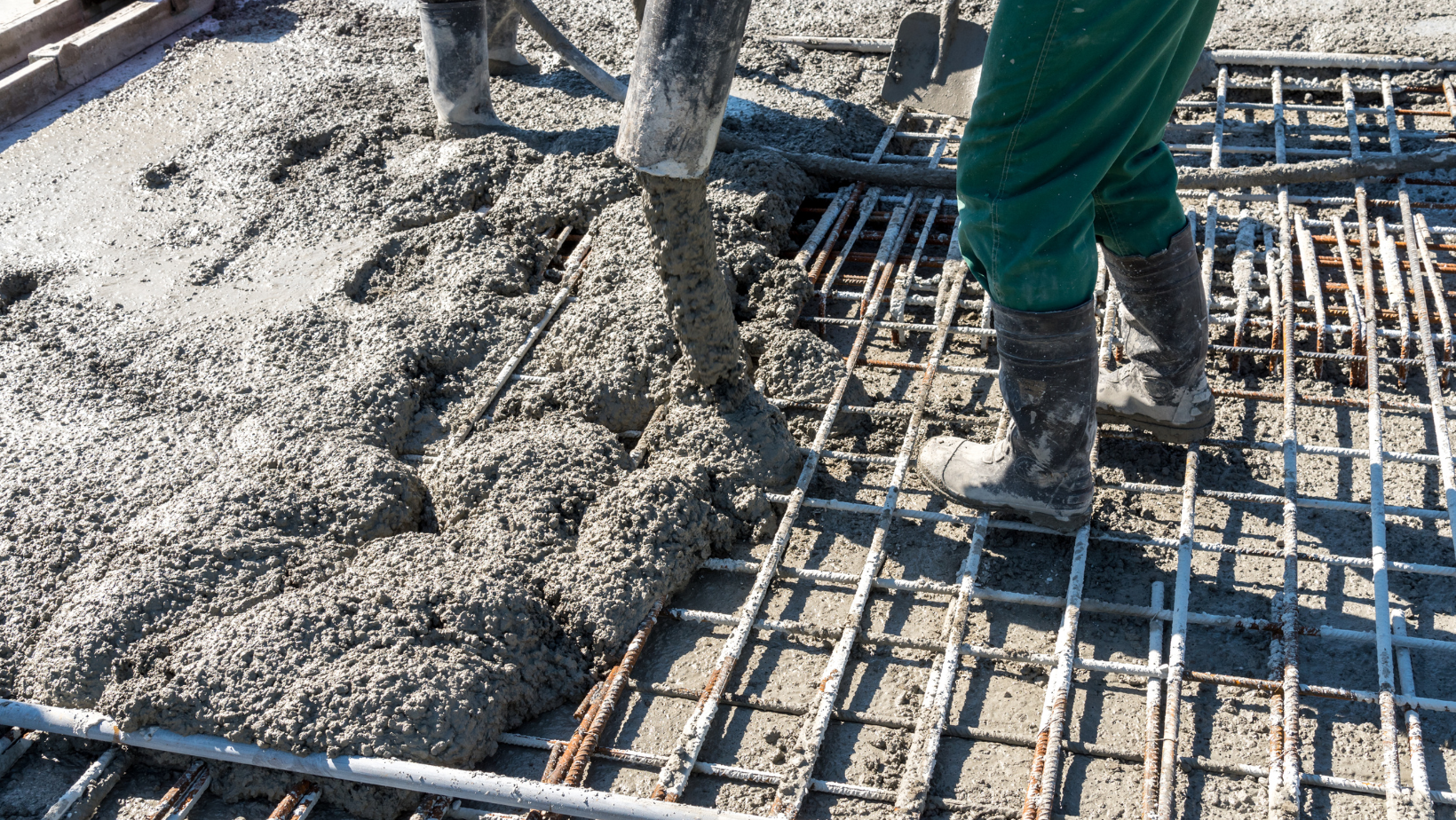
Next the crew sets wooden forms that define the driveway’s exact shape and ensure the surface slopes slightly away from your garage and foundation so water drains off. Then reinforcement goes in, either wire mesh or rebar, positioned inside the slab where it can help the concrete resist cracking under vehicle weight.
Step 6: Pour Day
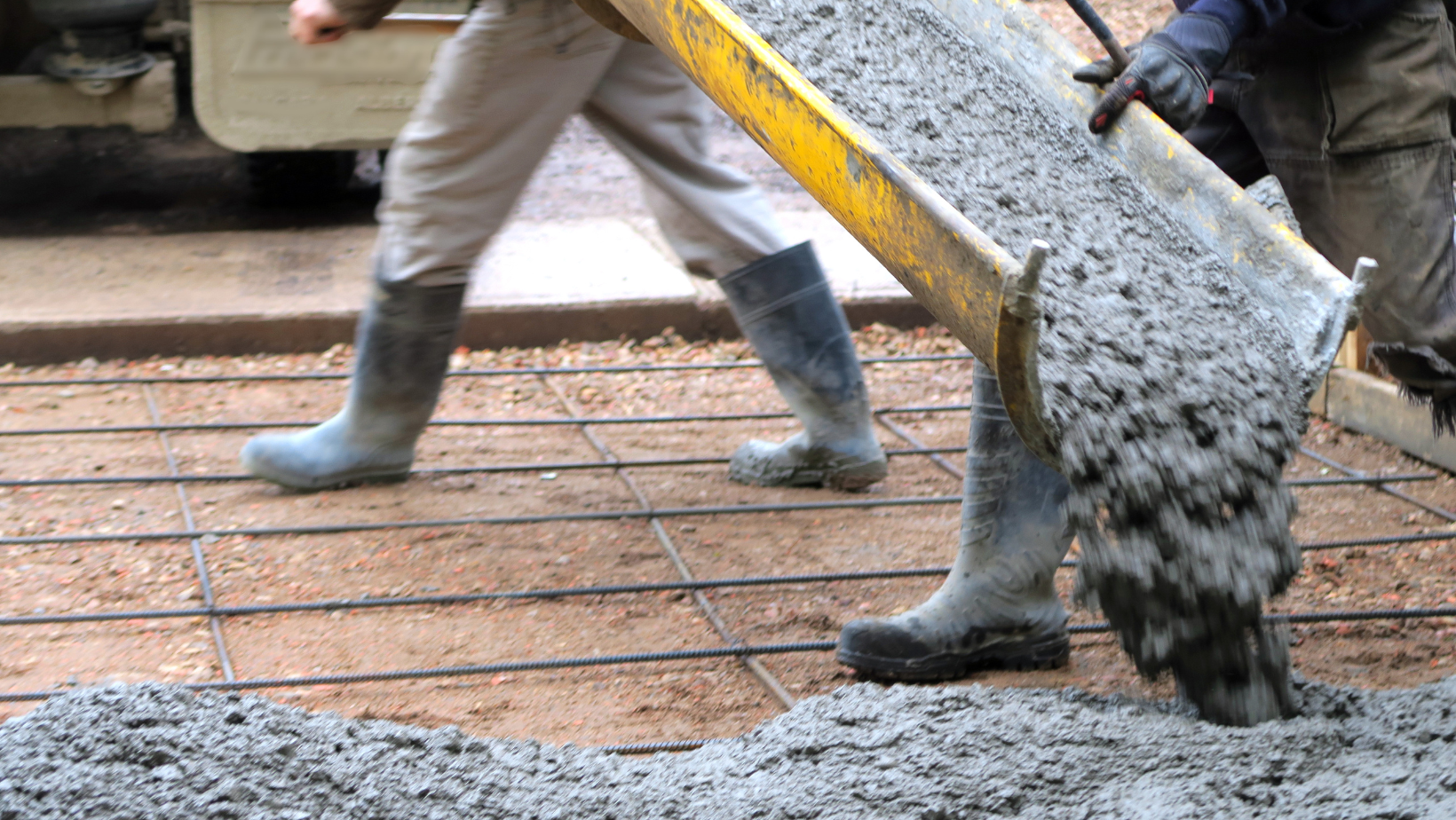
The concrete truck arrives and things move fast, because they have to. The crew places the concrete, screeds it level, floats the surface smooth, cuts control joints (those straight grooves that give concrete a planned place to crack instead of a random one), and applies the finish. Most residential driveways get a broom finish, which adds light texture so the surface is not slippery when wet.
For a standard driveway, the pour itself is usually done in a day. Then the waiting starts.
Step 7: Curing (Where Patience Pays)
Fresh concrete looks solid within hours, but looks are deceiving. It is still gaining strength for weeks. The general timeline: foot traffic is fine after 24 to 48 hours, regular cars after about 7 days, and full strength arrives around 28 days. Driving on it early, especially in Oklahoma summer heat, is one of the most common causes of damage in brand new driveways, and it is entirely avoidable. Plan for a week of street parking and treat it as the cheapest insurance you will ever buy.
Step 8: The Walkthrough
Before the project wraps, walk it with your contractor. Check that the surface drains away from the house, the finish is consistent, the edges are clean, and the joints are straight. Ask when the driveway should first be sealed and how often after that. Ask what the warranty covers and get it in writing.
How Long Does the Whole Thing Take?
From tear-out to driving on your new driveway, plan on roughly 10 days for a typical residential replacement: a day of demolition, a day or two of base prep and forming, pour day, then a week of curing before vehicle traffic. Weather can stretch that, and a good contractor will tell you when it does rather than pour on a bad day to stay on schedule.
Thinking About Replacing Yours?
We walk every homeowner through this exact process during a free on-site estimate, including an honest answer about whether you actually need a full replacement or whether a repair will get the job done. Serving Bixby, Tulsa, Jenks, Broken Arrow, and the surrounding area.
Contact Tulsa Driveways today to schedule your free estimate.